
This is Part 4 of the Comprehensive Guide to Terraform series. In Part 1, you learned why we picked Terraform as our IAC tool of choice and not Chef, Puppet, Ansible, Pulumi, or CloudFormation. In Part 2, you got started with the basic syntax and features of Terraform and used them to deploy a cluster of web servers on AWS. In Part 3, you saw how to manage Terraform state, file layout, isolation, and locking. In this post, you’ll learn how to create reusable infrastructure with Terraform modules.
In the previous post, you deployed architecture that looks like this:
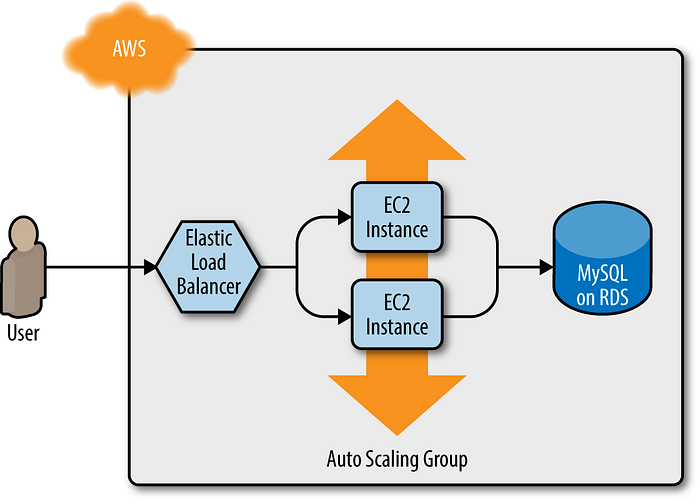
This works great as a first environment, but you typically need at least two environments: one for your team’s internal testing (“staging”) and one that real users can access (“production”). Ideally, the two environments are nearly identical, though you might run slightly fewer/smaller servers in staging to save money: