
A brief look into image generation and AI.
Imagine looking at a picture of a duck on a screen that’s all fuzzy with static.
If you narrow your eyes, you might make out the shape of the duck.
You could even try painting over the static to make the duck clearer.
Think of it like spotting a duck through a bunch of static on the screen.
You might squint, draw some lines to represent the duck, squint at those lines, and eventually create a rough picture of a duck — not exactly the same as the real duck, but sort of recognizable.

prompt : drawing of rubber duck floating in bathtub
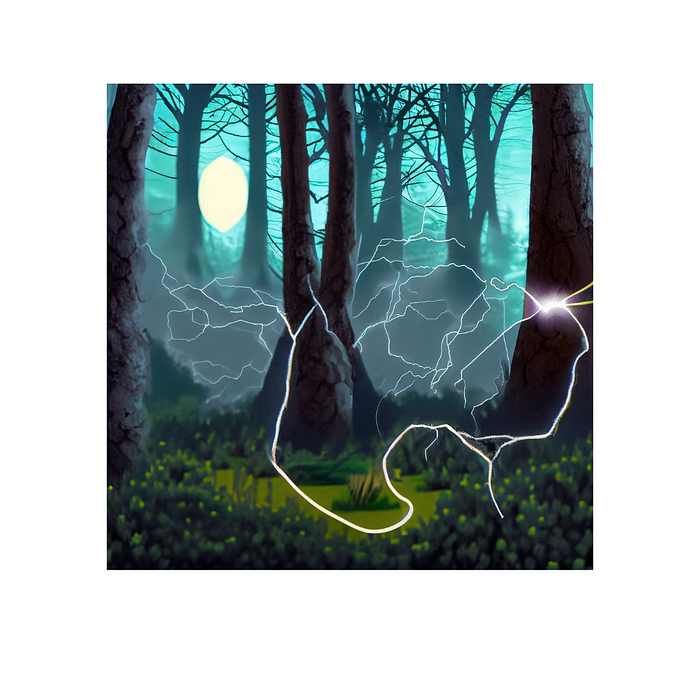
prompt : static
Now, picture looking at just random static on the screen, and somehow convincing yourself that there’s a duck hidden in there.
With a lot of effort, you might squint and work your way from a super fuzzy image of a duck to a less fuzzy one, until you can finally see a clear duck image..
This process is named “stable diffusion.”
How it works:
Researchers, Architects, and Scientists, took millions of images and added a bit of noise to them.
Then, they placed them in a special space and trained a model to clean them up, to remove the noise.