
Intrigue of the Ancients
The earliest contracts in human history may be from thousands of years ago, in ancient Mesopotamia. Here’s an example of a real-estate transaction containing many familiar ideas:
Sini-Ishtar, the son of Ilu-eribu, and Apil-Ili, his brother, have bought one third Shar of land with a house constructed, next the house of Sini-Ishtar, and next the house of Minani; one third Shar of arable land next the house of Sini-Ishtar, which fronts on the street; the property of Minani, the son of Migrat-Sin, from Minani, the son of Migrat-Sin. They have paid four and a half shekels of silver, the price agreed. Never shall further claim be made, on account of the house of Minani…
An interesting feature of such written artifacts is their recapitulation of the mundane. Ancient Egyptian recordings, legible after epic endeavors to decode them, express a unique and alluring culture but in ways that are familiar: contracts, teaching, poetry, private letters, graffiti, and so on.
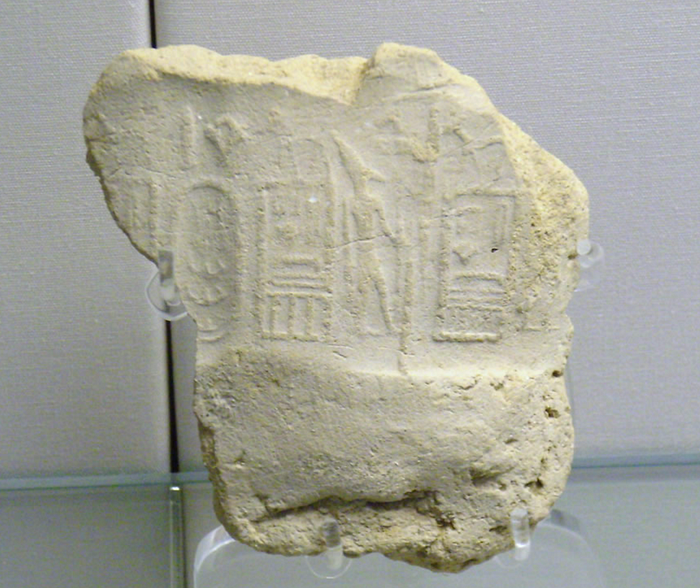
Oldest full sentence hieroglyph; an official seal
It’s intriguing to draw comparisons to modern blockchain systems. Code on distributed systems may live long into the future, etchings on a ledger, similarly revealing our human tendencies.
But blockchain is not yet two decades old. Nevertheless, many blockchain enthusiasts derive the same “intrigue of the ancients” from decoding and examining samples of code from just a few years ago¹. On Ethereum, there’s now a sizable “historical NFT” community that pores over old projects, often with an eye to rejuvenating, appreciating and speculating on them.